After Artemis II: The Moon Is a Science Project, a Prestige Contest and a Logistics Problem
27 May 2026, 06:20 · by IzuCT · 4 min read · Science · EN
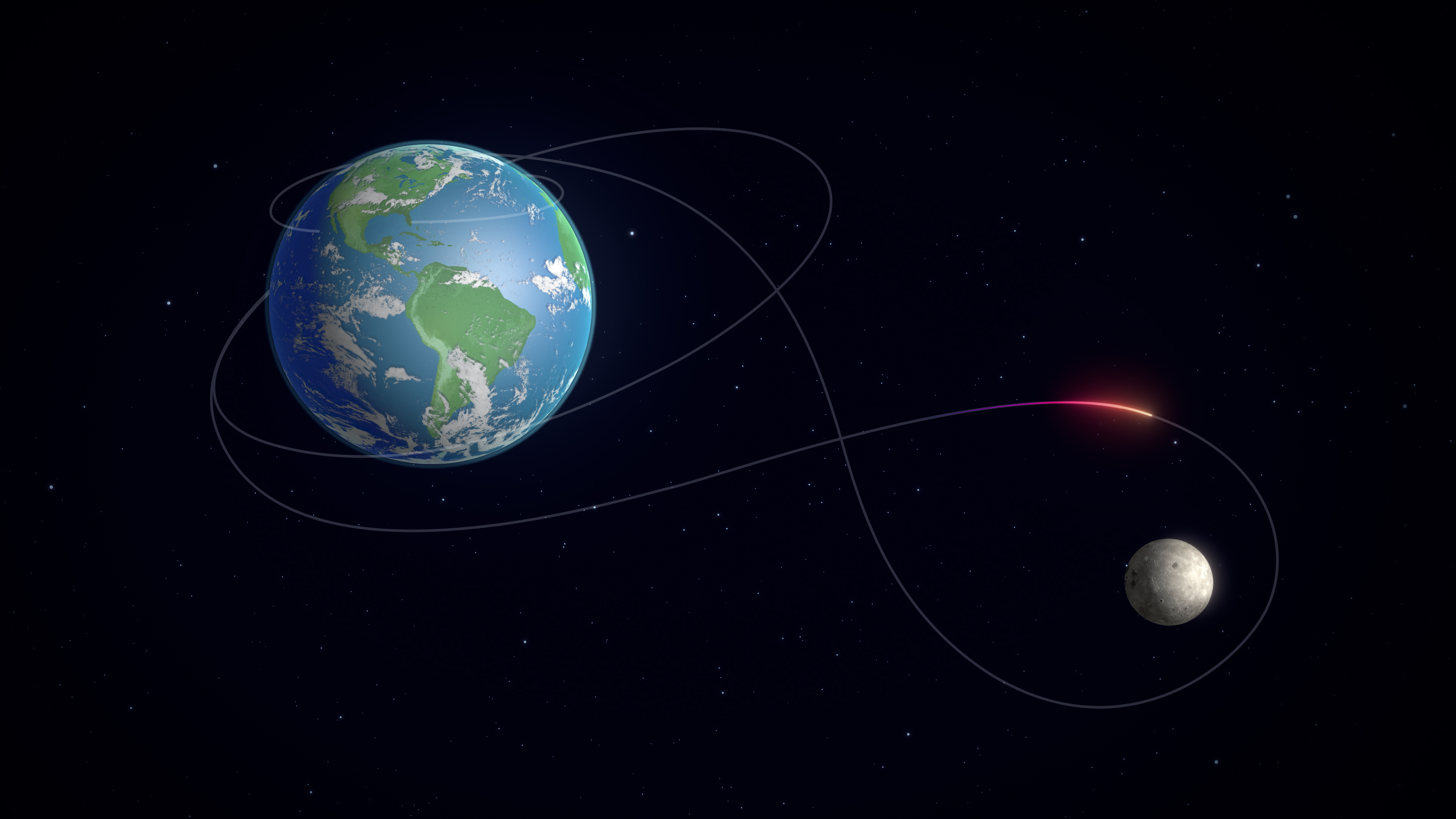
Artemis II’s return marks a major milestone in human spaceflight, but the mission’s significance goes beyond symbolism. The race back to the Moon now blends science, national prestige, engineering risk and commercial partnerships in ways that will shape space policy for years.
A milestone that actually means something
Space headlines often arrive wrapped in superlatives, and many deserve a degree of scepticism. Artemis II is different. A successful crewed mission around the Moon is not only visually impressive; it is strategically meaningful. It demonstrates that deep-space human flight is no longer a memory locked inside the Apollo era. It also provides evidence that the systems needed for a sustained return to lunar activity are moving from theory to practice.
That matters because space policy is built on credibility. Programmes can survive delays and political change if they continue proving capability. They struggle when ambition repeatedly outruns execution. Artemis II matters precisely because it converts long-range aspiration into a concrete achievement: launch, flight, return, recovery and technical learning. In complex public programmes, progress of that kind is not ornamental. It is the foundation on which future missions depend.
Why the Moon matters again
The renewed focus on the Moon is not driven by nostalgia alone. The Moon has become a platform for several overlapping ambitions. It is a scientific site, offering clues about planetary history and access to environments that may support new research. It is also a training ground for deeper-space operations. Living, docking, extracting resources and surviving in hostile conditions near the Moon could provide lessons that later shape missions farther out.
But the Moon is also geopolitical. National space programmes still trade in prestige, and prestige matters because it signals technological competence, industrial depth and state capacity. No major power wants to appear absent from the next symbolic frontier. That is one reason lunar missions attract such intense political attention. They are about discovery, yes, but also about narrative: who leads, who partners, who builds the standards and who gets written into the next chapter of exploration history.
The commercial dimension
The Artemis era is also different from Apollo because it relies much more visibly on private-sector partnerships. Spacecraft, launch systems, landers and logistics are being developed through a mixed ecosystem of public agencies and commercial firms. That creates opportunities for innovation and cost-sharing, but it also adds coordination risk. A delay or design issue in one element can ripple across the rest of the architecture.
This hybrid model reflects a broader shift in public policy. States increasingly define strategic goals while relying on private companies for critical infrastructure and execution. That can speed progress, but it can also blur accountability. Space agencies must therefore do two things at once: encourage experimentation and maintain rigorous oversight. Artemis II strengthens confidence in the programme, but it also raises expectations for the next phases, where the engineering will become even more demanding.
The unglamorous truth: exploration is logistics
One of the least romantic but most important lessons of modern spaceflight is that exploration is fundamentally logistical. Life support, re-entry profiles, heat shields, rendezvous procedures, communication windows, recovery operations and supply chains are not side details. They are the mission. A bold destination without robust logistics is simply theatre. Artemis II matters in part because it produced operational knowledge, especially around return and recovery, that future crews will depend on.
This is why public enthusiasm should be matched by patience. A lunar return worthy of the name requires infrastructure, not just moments. It requires systems that can be repeated, adapted and trusted. The political temptation is always to celebrate the image and underfund the architecture. That would be a mistake. The countries that matter in the next era of space activity will be those that treat exploration as sustained capability rather than occasional spectacle.
What comes next
If Artemis II is remembered well, it will be because it helped normalise the idea that human lunar missions are once again feasible. The next challenge is turning feasibility into continuity. That means making later missions safer, landing successfully, building out the support framework for longer stays and ensuring that international and commercial partners are working toward coherent objectives rather than parallel public-relations goals.
The Moon race is therefore not just back; it has changed form. It is more networked, more commercial and more politically crowded than before. This week’s successful return is a major step, but it is also an invitation to think more seriously about what kind of space future is being built. If the answer is cooperative, disciplined and scientifically ambitious, Artemis II may come to be seen not merely as a mission, but as a hinge in the history of exploration.