AI Enters the Edit Suite: What the Film Industry Is Learning First
17 Apr 2026, 18:18 · by IzuCT · 4 min read · AI · EN
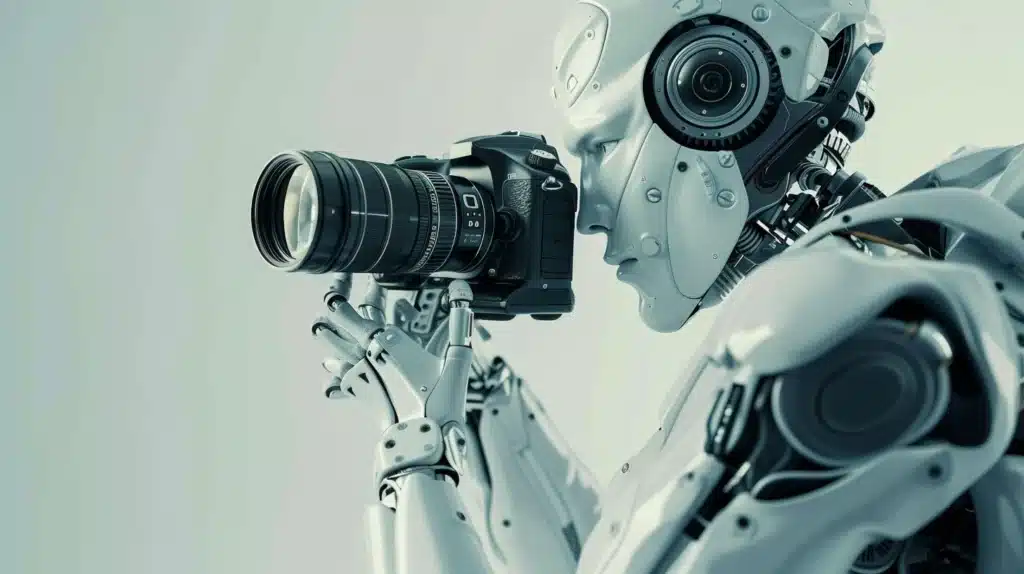
Indian studios are using AI to cut costs, dub faster and accelerate production. The bigger significance is cultural as well as technical: creative industries are becoming laboratories for new human-machine workflows, forcing audiences and artists to decide what efficiency should never replace.
A creative industry on the front line
One of the most revealing AI stories this month is not happening in a laboratory or a cloud-computing conference hall. It is happening in film studios. Indian cinema, with its scale, linguistic diversity and relentless production tempo, is emerging as a practical testing ground for how artificial intelligence might reshape creative work. The technology is being used to speed editing, improve localisation, assist dubbing and make production pipelines more efficient.
That matters because the arts have often been discussed as the symbolic battleground in AI debates. People worry about originality, authenticity and labour displacement, and with good reason. But film industries do not have the luxury of debating in the abstract. They face deadlines, budgets, audience expectations and competition. That makes them a useful window into what adoption actually looks like: rarely a total replacement of human creativity, but very often a reconfiguration of time, cost and workflow.
Why cinema is especially exposed
Cinema sits at the intersection of art, business and technology. It depends on emotional connection, but it also relies on industrial coordination: scripts, shooting schedules, sound design, promotion, translation and distribution. AI can touch each of these layers. It can generate rough cuts, propose metadata, clean audio, synchronise lip movements, adapt subtitles and help producers test how content might travel across regions. In a country with multiple major language markets, those tools are not marginal conveniences. They can change the commercial logic of a release.
This is why film is becoming such an important proving ground. It shows that AI is most disruptive not when it tries to create a masterpiece from scratch, but when it reduces friction around the masterpiece. The economic value often sits in the middle layers of production: the repetitive tasks, the formatting, the localisation, the searchability, the versioning. That is where AI can quickly earn its place.
What artists are afraid of — and why it matters
Still, the discomfort within creative communities is real. Artists are not merely worried about jobs, though employment is central. They are also worried about erosion of authorship. If a performance can be digitally altered, if a voice can be reconstructed, or if visual style can be replicated at speed, then the boundary between assistance and appropriation becomes unstable. Creative labour has always involved collaboration, but AI introduces forms of participation that are harder to see, regulate or credit.
This is not a fringe concern. Culture depends on trust as much as talent. Audiences want to believe that what they are watching carries intention, craft and a recognisable human stake. The more AI becomes embedded in entertainment, the more important disclosure, consent and fair compensation will become. Otherwise, efficiency gains may come at the cost of legitimacy. And a cultural product that loses legitimacy eventually loses value too.
The audience question
There is an assumption in some technology circles that audiences care only about convenience and price. That may be true for some categories of digital consumption, but storytelling is different. Viewers are not just buying content; they are buying feeling, identification and symbolic meaning. They may embrace better subtitles, cleaner dubbing and smoother discovery. But they may react differently if they sense that the emotional centre of a film has been flattened into a synthetic formula.
This is why the current phase is so important. The industry is not deciding whether AI will enter film. That has already happened. The real decision is what kind of partnership it will become. A tool that expands linguistic access and frees artists from repetitive work could widen cultural reach. A tool that treats performers, writers and editors as dispensable inputs could narrow the very diversity and experimentation that make cinema worth caring about.
A broader lesson for the creative economy
The experience of film offers a lesson for publishing, music, design and journalism as well. AI adoption is rarely a single yes-or-no choice. It is a chain of operational decisions: what gets automated, who approves outputs, whose rights are protected, what is disclosed to audiences, and how savings are shared. Industries that answer those questions early will likely shape the rules for everyone else.
That is why this week’s film story deserves wider attention. It is not just about one national industry moving quickly. It is about how culture itself is negotiating with computation. The most successful creative institutions will probably be neither anti-technology nor naively enthusiastic. They will be those that can tell the difference between acceleration that serves art and acceleration that empties it out. That distinction may become one of the defining cultural questions of the decade